
Rule the Road by Adhering to the Porsche Service Schedule
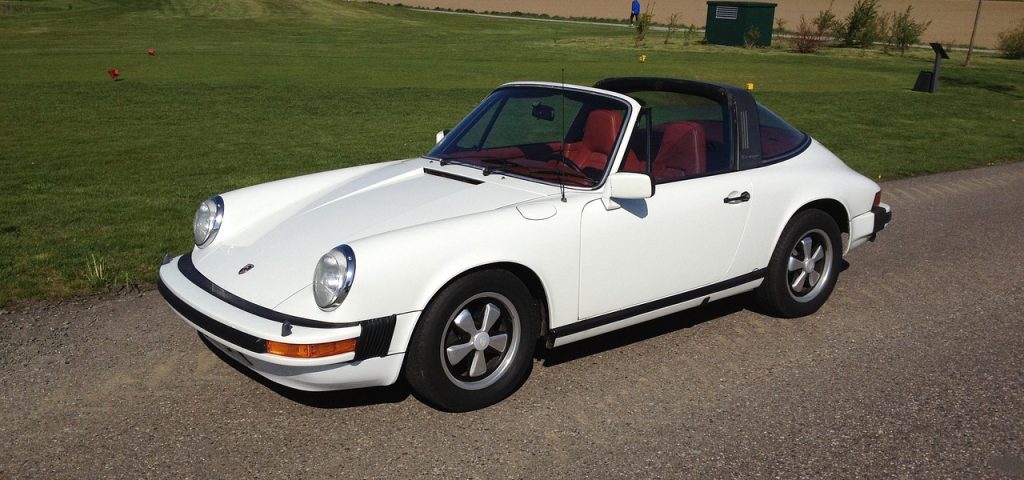
Adhering to the Porsche service schedule – it’s vital for extending the life of your car and ensuring many years of enjoyment on the road. At German Cars of Sarasota, our deep reverence for precision and high performance, combined with our years of expertise, makes us the go-to Porsche service and repair shop in Sarasota. When your Porsche needs routine maintenance or major service, know we are just a call away.
FAQs About Porsche Service and Maintenance Schedule
How often does Porsche service?
Regular Porsche service, which includes an oil change, filter change, tire rotation and inspection, is recommended every 10,000 or once a year – whichever comes first. Check your owner’s manual to get a detailed overview of the Porsche service schedule.
Does Porsche require a lot of maintenance?
While the upkeep for Porsches may be expensive, maintenance on these models is not excessive. Routine Porsche service, which includes oil changes, filter replacements and inspections, is necessary every 10,000 miles or once a year to ensure longevity and reliability of these high-performance cars.
What is Porsche yearly service?
Porsche’s yearly general service includes oil changes, fluid checks, tire rotations and inspections. If you’re approaching the next interval of your Porsche Service schedule, contact our shop for an accurate quote.
What is a major service on Porsche?
The Porsche service schedule includes “major service” at 40,000 or four years and includes a full inspection, oil and filter change, spark plug replacement, and air filter and brake fluid replacements. Major Porsche service may also be performed at 80,000, 120,000 and 160,000–mile marks or at eight, 12 and 16 years.
How often does Porsche need a service?
Routine Porsche service is necessary every 10,000 miles or once a year – whichever comes first. Major service is recommended every 40,000 miles or four years.
What is included in a Porsche major service?
Major Porsche service occurs at 40,000-mile intervals or every four years and may include:
- Oil and filter changes
- Spark plug replacement
- Tire rotation
- Brake fluid change
- Lubrication of door latches and fastening bolts
- Inspections of various systems, including fuel delivery and exhaust
- Coolant level check
- Serpentine belt replacement
What is Porsche 20,000 mile service?
A Porsche service interval known as “intermediate,” this 20,000-mile maintenance includes oil and filter replacements, safety inspections, tire rotation and service or replacement, and brake pad service or replacement.
What is the 50k mile service on a Porsche?
The 50,000-mile Porsche service includes tire rotation, oil and filter changes, inspections of the brakes, exhaust system, suspension and other components that may be damaged or worn. To receive an accurate quote for high-quality Porsche service, contact our shop.
How often do you service a Porsche?
Routine Porsche service is necessary every 10,000 miles or once a year – whichever comes first. Contact us to receive a quote for Porsche service that ensures your car is always running at its best.
What are the different Porsche service types?
There are several Porsche service types designed for optimal upkeep, including:
- Regular: Occurs every 10,000 miles or once a year.
- Intermediate: Occurs every 20,000 miles.
- Major: Occurs every 40,000 miles or four years.
Why is it so expensive to change the oil in a Porsche?
Porsche service, in particular, oil changes, are expensive because these models use high-quality synthetic oil, require more oil compared to other car brands and need specialized tools and technicians to perform the necessary work. Contact us to get an accurate estimate for Porsche service near you.
How much does a Porsche usually cost for an oil change?
Oil changes typically range between $300 and $600, depending on the model and Porsche service center. Contact us to learn more about the cost of this Porsche service and other work that we perform.
Can you service Porsche yourself?
Yes, you can perform Porsche services yourself. However, these German-engineered cars require specialized tools, expertise and genuine parts. It’s best to have a trained, certified technician perform whatever work is necessary.